
Misc
What’s Driving Australia’s Latest Surge in Household Spending? Key Insights From ABS Data

Australia’s household spending surged by 1.3% in October 2025, marking the strongest monthly rise since early 2024. According to data from the Australian Bureau of Statistics (ABS), this jump was fuelled primarily by a sharp increase in goods spending, supported by a series of retail events, improved consumer sentiment, and a robust calendar of entertainment and hospitality activity. As per the ABS, overall household expenditure is now 5.6% higher than the same time last year, suggesting Australians have started spending more confidently across a range of categories.
This article breaks down what contributed most, why it matters, and what it could signal for households, businesses and the broader economy.
Key Factors Behind Australia’s October Surge in Household Spending
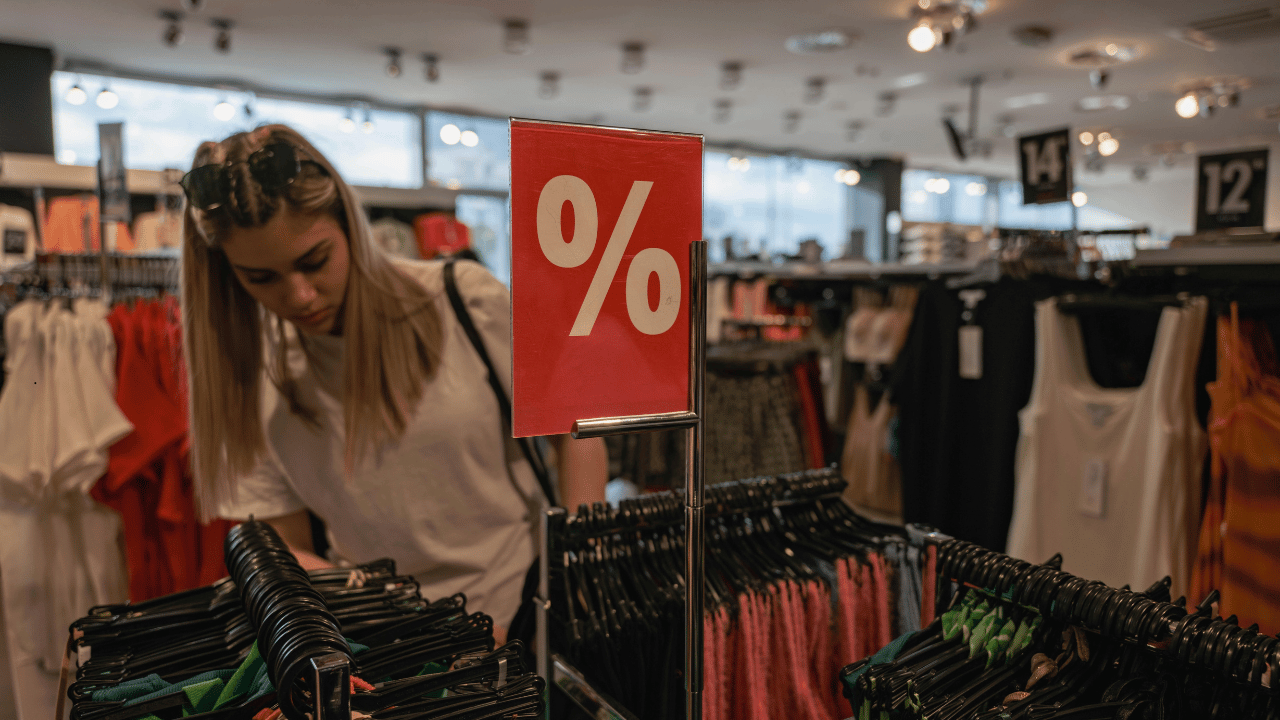
The October 2025 household spending surge was driven primarily by strong growth in goods purchases—especially clothing, footwear and household equipment—alongside increased services spending in hospitality and entertainment. Seasonal promotions, population growth and catch-up spending also played major roles.
1. Goods Spending: The Biggest Contributor to the Rise
The strongest driver behind the October surge was a clear jump in goods spending. The ABS reported notable increases across three major categories:
- Clothing and footwear
- Furnishings and household equipment
- Household electronics and tech
These categories collectively lifted overall spending by the largest margin.
Why goods spending spiked
There are several reasons why Australians purchased more goods during this period:
1. Early holiday shopping and sales events
October has increasingly become a pre-holiday shopping month. Retailers launch early discounts well before Black Friday, prompting consumers to buy sooner.
Many households have also been planning ahead due to cost-of-living pressures—spreading out spending rather than leaving it all to December.
2. Replacement and catch-up purchasing
After a slower period earlier in the year—when many households delayed discretionary purchases—people have started replacing or upgrading items like furniture, appliances and electronics.
3. More competitive pricing
Promotional campaigns from major retailers have reduced prices in several non-essential goods categories. As per ABS commentary, this price movement has encouraged increased purchasing behaviour.
Overall, goods expenditure was the central reason October’s numbers climbed so sharply.
2. Services Spending Helped Boost the Monthly Rise
Although goods led the surge, services spending also lifted, adding to the overall increase. The biggest contributors were:
- Hotels, cafes and restaurants
- Recreation, entertainment and cultural events
- Domestic travel and accommodation
Why services spending increased
1. A strong events calendar
October hosted a series of concerts, festivals, sporting events and entertainment activities nationwide. These events naturally push up spending on food, drink, transport and accommodation.
2. Social spending rebound
After months of tightening budgets, consumers have shown renewed interest in dining out and recreation. A rise in discretionary services spending often signals improved confidence in household financial stability.
3. Travel activity picking back up
With more domestic and regional travel occurring, spending in tourism-related services experienced a positive lift.
Together, these service-based categories helped reinforce the overall growth in spending, even though goods remained the dominant driver.
3. Seasonal Retail Trends Played a Major Role
Another key factor behind Australia’s October spending surge is the shifting retail calendar. Seasonal shopping patterns have changed significantly over recent years, influenced by:
- Earlier promotional campaigns
- The growing influence of global online retailers
- More Australians budgeting around major sales events
Retailers are now adopting extended discount windows, encouraging consumers to buy earlier and more gradually across the quarter.
Key seasonal drivers in October:
- Early Christmas and summer stock releases
- Promotional weeks leading into November
- Clearance events on winter stock
- Price-matched campaigns across major chains
According to ABS insights, these seasonal behaviour patterns have a direct effect on monthly expenditure as shoppers optimise the timing of their purchases.
4. Population Growth Increasing Aggregate Spending
Australia’s population has continued to grow, particularly across NSW, VIC, and QLD. More households automatically translate into higher aggregate consumption, even when individual spending remains conservative.
How population growth contributes:
- More demand for everyday goods such as groceries, clothing and household items
- Increased participation in services such as hospitality and entertainment
- Broader economic activity supporting retail turnover
While population growth alone does not explain the surge, it amplifies the overall spending numbers.
5. Selective Easing of Cost Pressures
While many households continue to face rising costs in essential areas like housing, insurance and energy, some categories have seen modest easing or stabilisation.
This easing is mainly in:
- Manufactured goods
- Certain retail products
- Selected electronics and homewares
Retailers have been more aggressive with discounts due to improved supply chains and competition, giving consumers extra confidence to make purchases.
For many families, this was the first time in months that discretionary goods felt more affordable.
6. Catch-Up Spending After Softer Months
September had moderate household spending levels. Many consumers were cautious due to cost-of-living concerns and interest rate pressures. By October, however, more Australians were ready to move ahead with purchases they had been putting off.
Examples of catch-up spending include:
- Home upgrades
- Clothing for summer
- School holidays and recreational outings
- Household equipment replacements
This respite from earlier caution helped lift overall numbers.
Why This Surge Matters for the Economy
A rise in household spending has several implications:
1. It strengthens economic activity
Household consumption is one of the largest components of Australia’s GDP. Higher spending supports jobs, business revenue and retail growth.
2. It raises inflation considerations
Strong goods and services spending can increase demand pressures, potentially influencing inflation.
Reuters noted that such spending increases have renewed attention on potential interest rate movements.
3. It impacts business planning
Retailers and service providers use this data to forecast demand for the holiday season and early 2026.
4. It reflects improved consumer sentiment
While not universally felt, a rise in discretionary spending often signals optimism among a segment of households.
Conclusion
Australia’s October surge in household spending highlights a shift in consumer behaviour, driven largely by goods purchases and supported by renewed activity in services such as dining, travel and entertainment. Seasonal retail campaigns, population growth and selective easing of cost pressures have all contributed to a strong month of consumption. While not every household experienced a financial uplift, the broader trend reveals growing confidence among many consumers after a period of caution. As businesses look toward the holiday season and early 2026, these insights from the ABS offer an important snapshot of where spending momentum is coming from and what it could mean for the economy in the months ahead.
Reference
Australian Bureau of Statistics (ABS) – Monthly Household Spending Indicator, October 2025
https://www.abs.gov.au/media-centre/media-releases/strong-growth-goods-lifts-household-spending

























You must be logged in to post a comment Login