



Food Delivery
Why Traditional Restaurants Struggle With Delivery

Food delivery has transformed the hospitality industry. What was once considered an additional revenue stream is now a core part of many restaurants’ operations. Customers expect convenience, speed, and app-based ordering as standard.
Yet despite the growth of delivery platforms, many traditional restaurants struggle to make delivery profitable.
At first glance, delivery appears simple: more orders should mean more revenue. But financially and operationally, delivery introduces a new cost structure that traditional dine-in models were never designed to support.
Here’s why.
1. Traditional Restaurants Were Built for Dine-In, Not Logistics
Most restaurants were designed around:
- Table service
- Customer experience and ambience
- Upselling drinks and desserts
- Front-of-house interaction
- Controlled table turnover
Delivery removes much of that value.
There’s no atmosphere. No drink upsell. No table service. No impulse add-ons. In many cases, alcohol — one of the highest-margin items in hospitality — disappears from the order.
Dine-in pricing structures were built to support the full experience. When food leaves the premises, the revenue mix changes significantly.
2. Commission Fees Compress Already Thin Margins
One of the biggest challenges comes from delivery platform commission fees.
Industry reports show that most third-party delivery platforms charge restaurants between 15% and 35% per order in commission fees, as outlined in McKinsey’s analysis of the rapid evolution of food delivery economics. On a $30 meal, that could mean $4.50 to $10.50 immediately deducted before any other expenses are paid.
With average restaurant net profit margins often sitting between 3% and 10%, as explored in our breakdown of the real cost of running a restaurant in Australia, losing up to a third of revenue to commission can eliminate profitability entirely.
In industry surveys, nearly 72% of restaurants identify high delivery platform fees as their biggest operational challenge when working with third-party apps.
What looks like extra revenue can quickly become volume without profit — one of the structural reasons so many venues struggle to survive, even when they appear busy, as discussed in our analysis of why so many Australian cafes and restaurants fail (even when they’re busy).
3. Additional Hidden Delivery Costs
Commission fees are only part of the equation.
Delivery also requires:
- Packaging materials (containers, bags, cutlery)
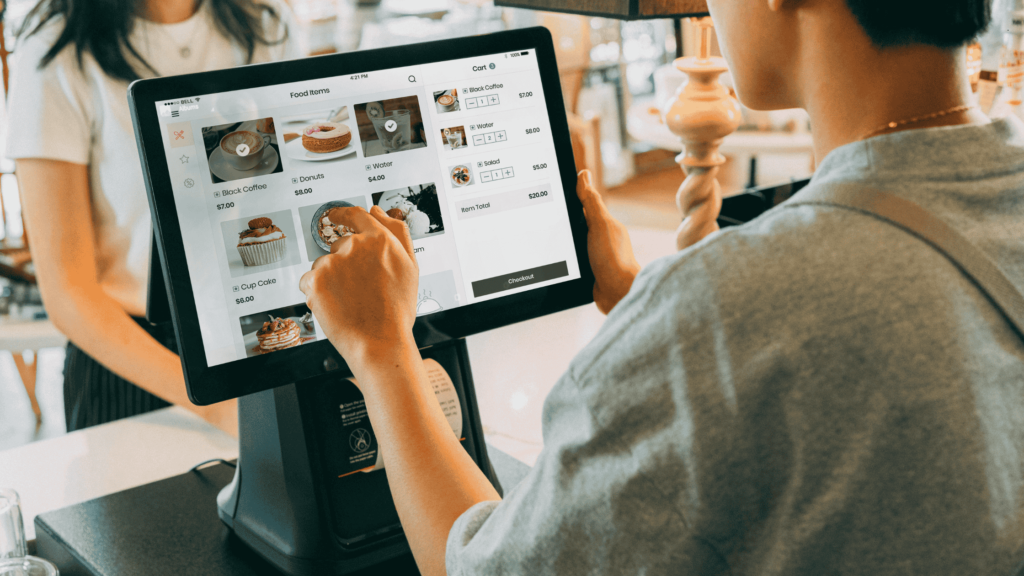
- Order management systems or tablets
- Additional staff time for packing and coordination
- Marketing spend within the app to remain visible
High-quality packaging alone can cost $1–$3 per order. When layered on top of commission fees and labour, margins shrink further — a cost pressure that ultimately contributes to higher menu prices, which we explore in detail in why food is so expensive in Australia (and where the money actually goes).
In some cases, restaurants also pay for sponsored listings or in-app promotions to stay competitive, increasing the true cost of delivery beyond the headline commission rate.
4. Operational Strain on Kitchens
Traditional kitchens are structured around predictable service flows — lunch and dinner peaks, table pacing, and controlled preparation timing.
Delivery disrupts that structure.
Now kitchens must handle:
- Dine-in orders
- Delivery app orders
- Pickup orders
- Phone orders
Simultaneously.
Without workflow redesign, this often results in:
- Slower service
- Staff burnout
- Increased errors
- Declining food quality
Restaurants frequently add delivery on top of existing operations rather than restructuring systems to support it.
5. Menu Items Often Don’t Travel Well
Many dishes are designed for immediate consumption.
- Fried foods lose crispness.
- Steaks continue cooking in sealed containers.
- Pasta dries out or clumps.
- Sauces separate.
Dine-in restaurants optimise for presentation and immediacy. Delivery requires durability and transport resilience.
If menus are not redesigned for delivery performance, brand perception can suffer.
Customers judge what arrives at their door — not how it looked leaving the kitchen.
6. Labour Increases Without Equivalent Profit
Delivery increases workload but does not necessarily increase high-quality revenue.
Staff must:
- Monitor multiple delivery tablets
- Coordinate drivers
- Carefully pack orders
- Manage customer complaints
- Update menu availability
This adds labour complexity.
At the same time, commission fees reduce the revenue retained per order. The result is more operational effort without proportional profit growth.
7. Loss of Direct Customer Relationship
When customers order through third-party platforms:
- The platform owns the customer data
- The platform controls communication
- The platform manages promotions and advertising
Restaurants lose direct access to customer information and loyalty-building opportunities.
Over time, this increases dependency on platforms and reduces brand control.
8. Increased Price Competition
Delivery apps place restaurants side-by-side in a single marketplace.
Customers compare:
- Price
- Ratings
- Photos
- Delivery time
- Promotions
This transparency increases price sensitivity and pushes restaurants toward discounting.
Combined with commission fees, this can significantly reduce profitability.
9. The Broader Industry Context
Globally, the food delivery market has grown into an industry worth over US$150 billion, reflecting strong consumer demand for convenience. Regulatory insights into platform dynamics and competitive pressures in Australia are discussed in the ACCC’s Digital Platform Services Inquiry (2020–2025).
However, rapid growth at the platform level does not automatically translate into sustainable profits at the restaurant level.
Many traditional restaurants discover that delivery revenue increases turnover — but not necessarily net income.
The Core Issue
Traditional restaurants struggle with delivery because their original business model was not designed for:
- 15–35% commission deductions
- Additional packaging expenses
- Platform marketing fees
- Dual operational workflows
- Loss of high-margin dine-in upselling
Delivery is not simply an extra sales channel. It is a fundamentally different cost structure layered onto an existing one.
Final Thoughts
Delivery is not inherently unprofitable — but it requires structural adaptation.
Restaurants that treat delivery as a minor extension of dine-in operations often struggle. Those that redesign menus, adjust pricing strategies, optimise workflow, and analyse delivery-specific margins are better positioned to succeed.
In today’s hospitality environment, delivery may be necessary to remain competitive. But profitability in delivery is never automatic.
Understanding the financial and operational realities is the first step toward making delivery work — rather than letting it erode margins over time.










You must be logged in to post a comment Login