
Misc
Australia’s National AI Plan: Empowering All Australians in the AI Era

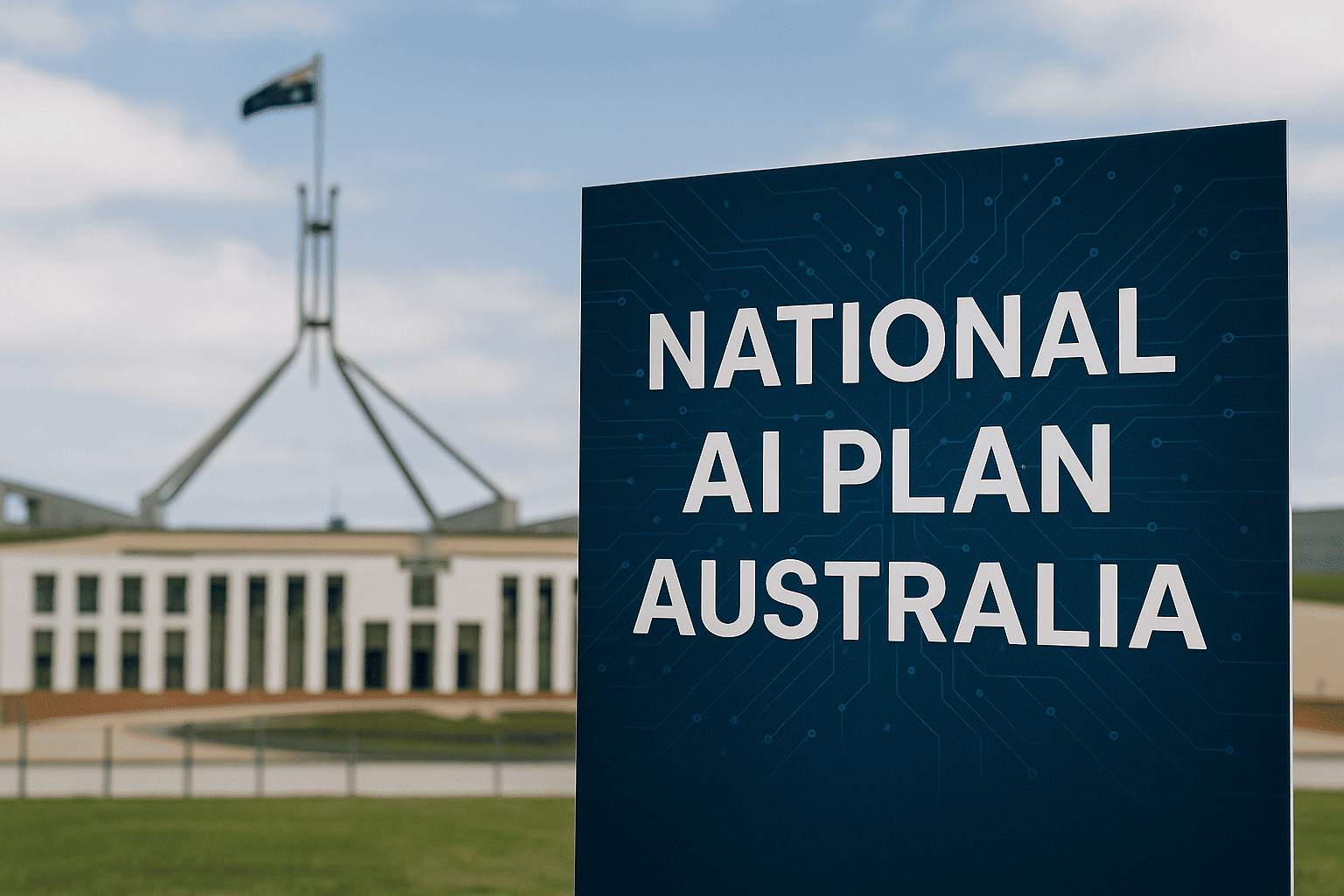
The Albanese Labor Government has officially released the National AI Plan, a comprehensive roadmap designed to build an AI-enabled economy for the benefit of all Australians. Unlike previous fragmented approaches to emerging technologies, this plan creates a unified national strategy for how Australia will develop, adopt and regulate artificial intelligence over the coming decade.
As AI reshapes industries worldwide, the government is taking decisive steps to ensure Australia remains competitive while protecting community interests. The media release describes the Plan as a way to “accelerate the broad development and adoption of AI” while keeping a balance between innovation and safety — a dual goal that sits at the core of the government’s digital transformation agenda.
Key Points of Australia’s New National AI Plan
Australia’s National AI Plan focuses on three goals: capturing AI economic opportunities, spreading AI benefits to all communities, and keeping Australians safe through strong governance and a dedicated AI Safety Institute. Backed by $29.9 million in funding, the plan sets out how industry, government, educators and communities can adopt AI responsibly and inclusively.
The Three Pillars of the National AI Plan
The media release outlines three central goals that shape the National AI Plan. Each reflects a practical and future-focused approach to AI policy.
1. Capturing opportunities for industry, investment and innovation
The first goal centres on positioning Australia as a competitive global destination for future AI investment and development.
To achieve this, the government aims to:
- Attract investment into digital and physical infrastructure
- Strengthen local AI capabilities
- Support Australian-made AI tools and solutions
- Encourage research translation and commercialisation
- Build an ecosystem that draws global AI innovators to Australia
This aligns with the broader Future Made in Australia agenda, which aims to revitalise local industry, build sovereign capability and create high-value jobs.
A major part of this investment includes the launch of an “AI Accelerator” funding round through the Cooperative Research Centres (CRC) program. This will help transform innovative ideas from Australian researchers and businesses into real-world solutions.
The media release notes that government actions have already catalysed private sector investments that could scale beyond $100 billion, demonstrating strong market confidence in AI’s economic potential.
2. Spreading AI benefits across the entire economy
A defining theme of the National AI Plan is inclusivity. The government wants AI adoption to benefit:
- Not-for-profits
- Schools and universities
- TAFEs and training providers
- Community organisations
- Regional, rural and remote communities
- First Nations peoples
- Women and people with disability
The plan emphasises that AI must close — not widen — gaps in education, employment and essential services. Ministers highlighted that AI can improve service delivery, support better learning outcomes, and uplift communities that traditionally face barriers to technology access.
This focus reflects the government’s commitment to ensuring digital transformation is equitable. Instead of benefiting only large corporations or major cities, AI should improve outcomes for communities across the entire country.
3. Keeping Australians safe as AI evolves
Safety is the third major pillar of the plan. As AI grows more powerful, ensuring responsible governance is critical.
To support this, the government has committed $29.9 million to establish the AI Safety Institute, which will begin operation in early 2026. Its responsibilities will include:
- Monitoring emerging AI capabilities
- Testing high-risk systems
- Sharing information on potential harms
- Supporting regulators with technical expertise
- Strengthening Australia’s ethical, legal and regulatory frameworks
- Engaging internationally to protect rights and build trust
This initiative builds on the government’s broader approach to digital safety and reflects global movements to establish dedicated oversight bodies.
The institute will also play a key role in coordinating with industries, agencies, and global partners to ensure Australia remains aligned with international AI safety standards.
The Role of Skills, Workers and Unions in Australia’s AI Transition
A central message of the media release is that workers and unions will be heavily involved in shaping how AI is adopted.
The Government recognises that unlocking AI’s economic potential depends on building a workforce capable of:
- Developing AI solutions
- Operating and maintaining AI infrastructure
- Using AI tools safely and effectively
- Adapting to evolving job requirements
The Future Skills Organisation is already developing generalist and specialist AI competencies across all Australian Qualifications Framework (AQF) levels. This includes foundational digital literacy and advanced AI specialisations, ensuring the training system matches future workforce needs.
This explicit collaboration between government, industry and unions signals a commitment to responsible technology adoption, where transparency, fairness and safety guide workplace transformation.
An AI Strategy That Puts Australians First
Two key messages from government ministers encapsulate the philosophy behind the National AI Plan:
- “The National AI Plan is about making sure technology serves Australians, not the other way around.” – Minister Tim Ayres
- “We are making sure Australians can benefit from this transformative technology… promoting fairness and opportunity.” – Assistant Minister Dr Andrew Charlton
These statements reflect a people-first approach, where AI is viewed not as a threat but as an opportunity — provided it is managed transparently and ethically.
The plan outlines clear guidance for:
- Government agencies
- Educators and training providers
- Industry and innovators
- Researchers
- Community groups
This holistic strategy ensures that all stakeholders understand how AI can be developed and used safely and productively.
What the National AI Plan Means for Businesses
For businesses across Australia — from startups to major corporations — the plan provides a clear blueprint.
Key implications include:
- Access to clearer AI safety and governance guidance
- Support for adopting AI tools in a responsible, compliant way
- Enhanced opportunities to commercialise AI solutions
- Improved access to talent as the workforce becomes more digitally skilled
- Better collaboration pathways with research institutions
- Strengthened local ecosystem support through the CRC “AI Accelerator”
This combination of safety, innovation and capability building creates fertile ground for business transformation.
What It Means for Everyday Australians
For individuals, the National AI Plan promises:
- Better-designed public services
- More accessible education and training
- Improved job opportunities in future industries
- Fair and ethical use of AI across sectors
- Stronger protections against digital risks
The government’s focus on community equity means digital transformation will not be limited to major cities or highly skilled professions. Instead, AI will play a role in uplifting regional communities, supporting disadvantaged groups and improving access to essential services.
Conclusion
The National AI Plan marks an important turning point in Australia’s digital evolution. It promotes a vision of AI that serves people, strengthens the economy, and protects the community. Backed by major investment, a new AI Safety Institute, industry support programs and dedicated skills development, the plan lays the foundation for responsibly integrating AI across every part of Australian life.
By focusing on opportunity, inclusion and safety, the Albanese Government aims to ensure the benefits of AI are shared widely — today and in the decades to come.
FAQs
1. What are the main goals of the National AI Plan?
The plan focuses on three goals: capturing AI economic opportunities, spreading the benefits across the entire community, and keeping Australians safe through strong governance and oversight.
2. What is the AI Safety Institute?
The AI Safety Institute is a government-backed body that will begin in early 2026. It will monitor emerging AI capabilities, test high-risk systems, support regulators and help ensure safe AI development across Australia.
3. How will the plan support skills and workforce development?
The Future Skills Organisation is developing digital and AI competencies across all AQF levels, ensuring workers have the skills needed to develop, use and manage AI tools responsibly.


























You must be logged in to post a comment Login