
Misc
DIY vs Professional Carpet Cleaning: What’s the Real Difference?

Keeping carpets clean is an important part of maintaining a healthy and comfortable home. Over time, carpets collect dirt, dust, allergens, and spills that vacuuming alone can’t fully remove. When it’s time for a deeper clean, many people face the same question: should you clean your carpets yourself, or is professional carpet cleaning worth it?
DIY carpet cleaning machines are widely available and often seem like a cost-effective solution. Professional carpet cleaning, on the other hand, promises deeper results but comes with a higher upfront cost. Understanding the real differences between these two options can help you choose the right approach for your space, lifestyle, and budget.
This guide compares DIY vs professional carpet cleaning, breaking down effectiveness, cost, risks, and long-term results so you can make an informed decision.
Quick Comparison: DIY vs Professional Carpet Cleaning
DIY carpet cleaning
- Lower upfront cost
- Convenient for small spills
- Limited cleaning depth
- Higher risk of residue and moisture issues
Professional carpet cleaning
- Deeper extraction
- Better odour and allergen removal
- Longer carpet lifespan
- More consistent results
While both methods have their place, they are not interchangeable.
What Is DIY Carpet Cleaning?
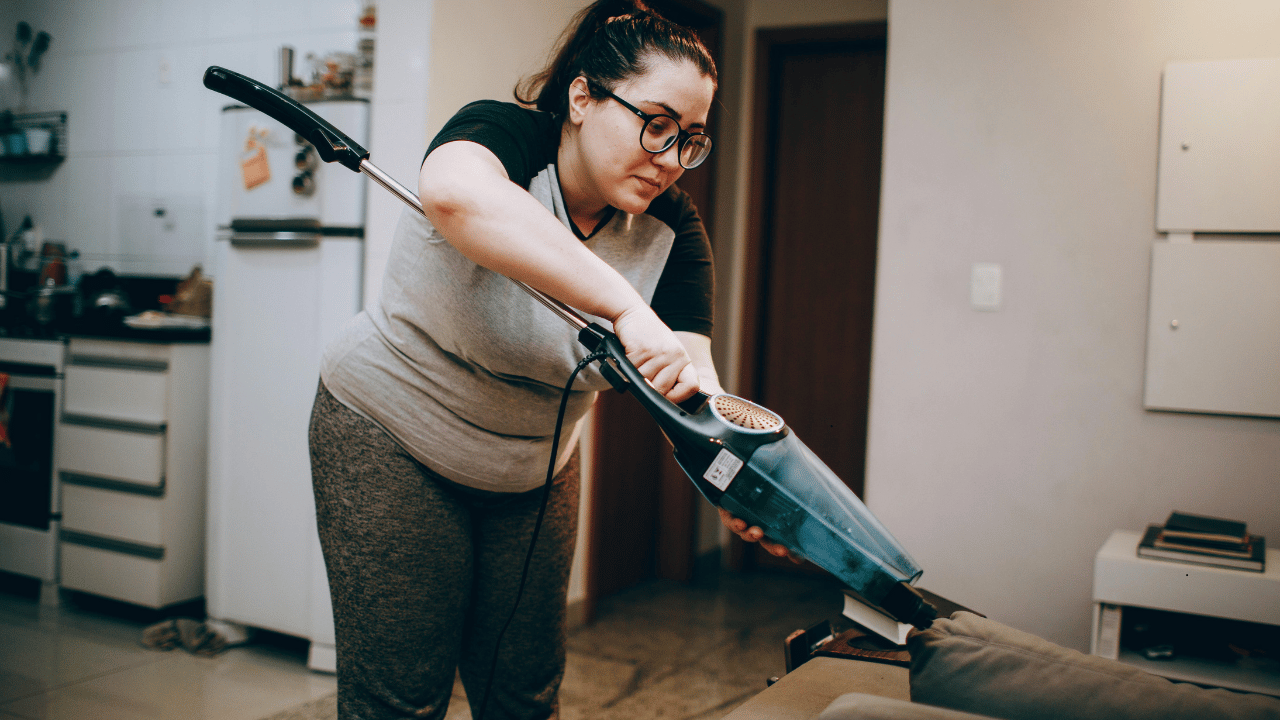
DIY carpet cleaning typically involves renting or buying a portable carpet cleaning machine. These machines spray water and cleaning solution onto the carpet and attempt to extract dirt through suction.
DIY carpet cleaning is commonly used for:
- Small spills or stains
- Quick refreshes between professional cleans
- Lightly soiled carpets
Many households use DIY cleaning as a routine maintenance option, especially when carpets don’t appear heavily soiled.
What Is Professional Carpet Cleaning?
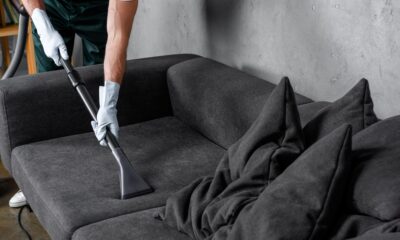
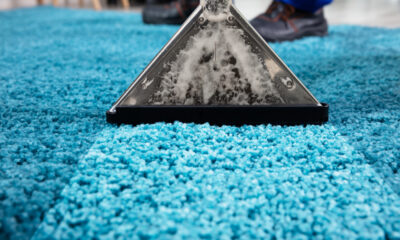
Professional carpet cleaning uses commercial-grade equipment and specialised techniques such as hot water extraction (often called steam cleaning) or low-moisture methods.
Professional services are designed to:
- Remove deeply embedded dirt and allergens
- Extract significantly more moisture
- Restore carpet fibres and appearance
- Reduce drying time
The difference lies not just in the machine, but in the process, experience, and ability to assess carpet condition.
Cleaning Power: Surface Clean vs Deep Clean
One of the biggest differences between DIY and professional carpet cleaning is cleaning depth.
DIY machines:
- Have limited suction power
- Struggle to remove compacted dirt
- Often leave moisture behind
Professional equipment:
- Penetrates deep into carpet fibres
- Extracts dirt from the backing and underlay
- Removes residues that attract new dirt
DIY cleaning may improve appearance temporarily, but professional carpet cleaning addresses contamination below the surface.
Moisture and Drying Time
Excess moisture is one of the most common problems with DIY carpet cleaning.
DIY carpet cleaners often:
- Over-wet carpets
- Leave water trapped in the underlay
- Increase drying times
This can lead to:
- Musty odours
- Bacterial growth
- Mould risk
Professional carpet cleaning systems use powerful extraction that removes most of the moisture during the cleaning process, significantly reducing drying time and risk.
Residue and Re-Soiling Issues
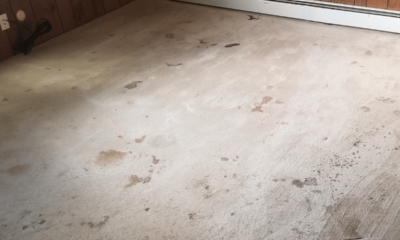
DIY carpet cleaning products frequently leave behind sticky residues. While carpets may look clean initially, these residues attract dirt faster, causing carpets to look dirty again within weeks.
Professional carpet cleaning:
- Uses measured solutions
- Rinses fibres thoroughly
- Reduces rapid re-soiling
This difference is often noticeable long-term rather than immediately after cleaning.
Impact on Indoor Air Quality
Carpets act like filters, trapping dust, allergens, and airborne particles. When these build up, they can affect indoor air quality.
According to the Australian Government’s Your Home guide on indoor air quality, dust and indoor pollutants can accumulate inside homes and aggravate allergies and respiratory conditions. Soft furnishings such as carpets can trap these particles, making regular and effective cleaning important for healthier indoor environments.
DIY cleaning may remove some surface dust, but professional carpet cleaning is more effective at removing fine particles that contribute to poor indoor air quality.
Cost Comparison: Short-Term vs Long-Term
DIY carpet cleaning costs
- Machine hire or purchase
- Cleaning solutions
- Time and effort
While DIY appears cheaper upfront, repeated cleaning, product costs, and potential carpet damage can increase long-term expenses.
Professional carpet cleaning costs
- Higher initial cost
- Less frequent cleaning required
- Reduced risk of damage
Over time, professional carpet cleaning can be more cost-effective by extending carpet lifespan and reducing replacement needs.
Risk of Carpet Damage
Incorrect DIY cleaning can lead to:
- Fibre damage
- Colour bleeding
- Shrinkage
- Permanent staining
Professional cleaners are trained to:
- Identify carpet types
- Adjust cleaning methods accordingly
- Use appropriate products and temperatures
This reduces the risk of accidental damage, particularly for delicate or high-value carpets.
When DIY Carpet Cleaning Makes Sense
DIY carpet cleaning can be suitable for:
- Small, fresh spills
- Light surface refreshes
- Interim cleaning between professional services
Used carefully and sparingly, DIY cleaning can support regular maintenance.
When Professional Carpet Cleaning Is the Better Choice
Professional carpet cleaning is recommended when:
- Odours persist
- Stains keep returning
- Allergies worsen indoors
- Carpets feel rough or flat
- It’s been over 12 months since the last deep clean
In these situations, DIY methods often fall short.
Carpet Longevity and Appearance
Regular professional carpet cleaning:
- Preserves fibre structure
- Maintains colour and texture
- Prevents premature wear
DIY methods alone may shorten carpet lifespan due to residue build-up and abrasion from trapped dirt.
Finding the Right Carpet Cleaning Option
Choosing between DIY and professional carpet cleaning doesn’t have to be all-or-nothing. Many households use a combination of both, relying on DIY methods for minor issues and professional services for deeper maintenance.
Find Carpet Cleaning Services Near You
Carpet cleaning services are available across multiple cities on Orderoo, helping you find suitable options based on your location and needs.
- Carpet cleaning in Adelaide
- Carpet cleaning in Melbourne
- Carpet cleaning in Brisbane
- Carpet cleaning in Perth
- Carpet cleaning in Sydney
Final Verdict: DIY vs Professional Carpet Cleaning
DIY carpet cleaning can be helpful for quick fixes, but it has clear limitations. Professional carpet cleaning delivers deeper results, better hygiene, and longer-lasting cleanliness.
If your goal is:
- Healthier indoor air
- Odour removal
- Long-term carpet care
Professional carpet cleaning is the more effective option.
Frequently Asked Questions
Is DIY carpet cleaning as effective as professional cleaning?
DIY carpet cleaning removes surface dirt but lacks the suction power and depth of professional carpet cleaning.
How often should carpets be professionally cleaned?
Most homes benefit from professional carpet cleaning every 6–12 months, or every 3–6 months for high-traffic or pet households.
Can DIY carpet cleaning damage carpets?
Yes. Over-wetting, residue build-up, and incorrect products can cause damage if not used carefully.















You must be logged in to post a comment Login