
Misc
How Often Should You Really Clean Your Carpets?

Carpets are one of the most used surfaces in any home or commercial space. They absorb foot traffic, trap dust, soften noise, and contribute heavily to comfort and appearance. Yet when it comes to maintenance, carpet cleaning is often misunderstood or delayed. Many people rely solely on vacuuming or wait until carpets look visibly dirty before taking action.
So, how often should you really clean your carpets?
The honest answer depends on lifestyle, environment, and usage—but ignoring proper carpet cleaning schedules can shorten carpet lifespan, affect indoor air quality, and lead to unnecessary replacement costs.
This guide explains how often carpets should be cleaned, why professional carpet cleaning matters, and how to determine the right schedule for your home or workplace.
Quick Answer: How Often Should Carpets Be Cleaned?
For most households, professional carpet cleaning should be done every 6 to 12 months. However, this timeline varies depending on foot traffic, pets, children, and health considerations.
General carpet cleaning frequency guide:
- Low-traffic homes: Every 12 months
- Average households: Every 6–9 months
- Homes with pets or children: Every 3–6 months
- Offices and commercial spaces: Every 3 months
While regular vacuuming is essential, it only removes surface debris. Deep carpet cleaning is required to extract dirt, allergens, and bacteria embedded within the fibres and underlay.
Why Carpet Cleaning Frequency Matters More Than You Think
Carpets act like giant filters. Every day, they trap dust, soil, pollen, pet dander, and microscopic pollutants. Over time, this build-up affects not only how carpets look but also how healthy your indoor environment is.
Without regular professional carpet cleaning:
- Dirt particles grind into carpet fibres, causing wear
- Allergens accumulate and circulate through indoor air
- Odours become trapped beneath the surface
- Carpet fibres lose texture and resilience
- Replacement becomes necessary much sooner
According to the Australian Government Department of Health’s guidance on indoor air quality, dust, allergens, and airborne pollutants commonly accumulate inside homes, particularly in soft furnishings such as carpets. Regular cleaning of carpets and fabric surfaces plays an important role in reducing exposure to these contaminants and maintaining healthier indoor environments.
This makes carpet cleaning a preventative health and maintenance measure—not just a cosmetic one.
Key Factors That Determine How Often You Should Clean Your Carpets
1. Foot Traffic and Usage Levels
The more people walking on your carpets, the faster dirt builds up. High-traffic areas such as hallways, stairs, lounges, and entrances require more frequent professional carpet cleaning than bedrooms or spare rooms.
Heavy foot traffic brings in:
- Fine grit from outdoors
- Oils from shoes and skin
- Moisture that encourages bacteria growth
Over time, this debris becomes embedded deep within the carpet fibres, where vacuuming alone cannot reach.
2. Pets in the Household
Homes with pets almost always require more frequent carpet cleaning. Even clean, well-trained pets shed hair, track dirt, and release dander daily. Accidents and moisture can penetrate beyond the carpet surface into the underlay.
Common pet-related carpet problems include:
- Lingering odours
- Stains that reappear after DIY cleaning
- Increased allergens triggering respiratory symptoms
For pet owners, professional carpet cleaning every 3 to 6 months helps control odours, maintain hygiene, and prevent long-term damage.
3. Children, Allergies, and Health Concerns
Children spend significant time playing on the floor, making clean carpets especially important. Food spills, crumbs, and bacteria can accumulate quickly—even when carpets appear clean.
Households with:
- Asthma
- Hay fever
- Dust or pollen allergies
Often benefit from more frequent carpet cleaning. Removing trapped allergens helps improve indoor air quality and reduces irritation for sensitive occupants.
4. Carpet Type, Colour, and Material
Different carpets hold dirt differently, which impacts cleaning frequency.
- Plush and high-pile carpets trap more dust and debris
- Low-profile or loop-pile carpets show dirt sooner but still hold fine particles
- Light-coloured carpets reveal stains quickly
- Dark carpets can hide dirt until it becomes deeply embedded
Regardless of appearance, all carpet types require professional cleaning to maintain fibre integrity and prevent deterioration.
Is Vacuuming Enough to Keep Carpets Clean?
Vacuuming is essential for day-to-day maintenance, but it does not replace professional carpet cleaning.
Vacuuming helps:
- Remove loose dirt and hair
- Reduce surface dust
- Slow down visible wear
However, vacuuming does not remove:
- Embedded soil
- Sticky residues
- Bacteria and germs
- Deep-seated allergens
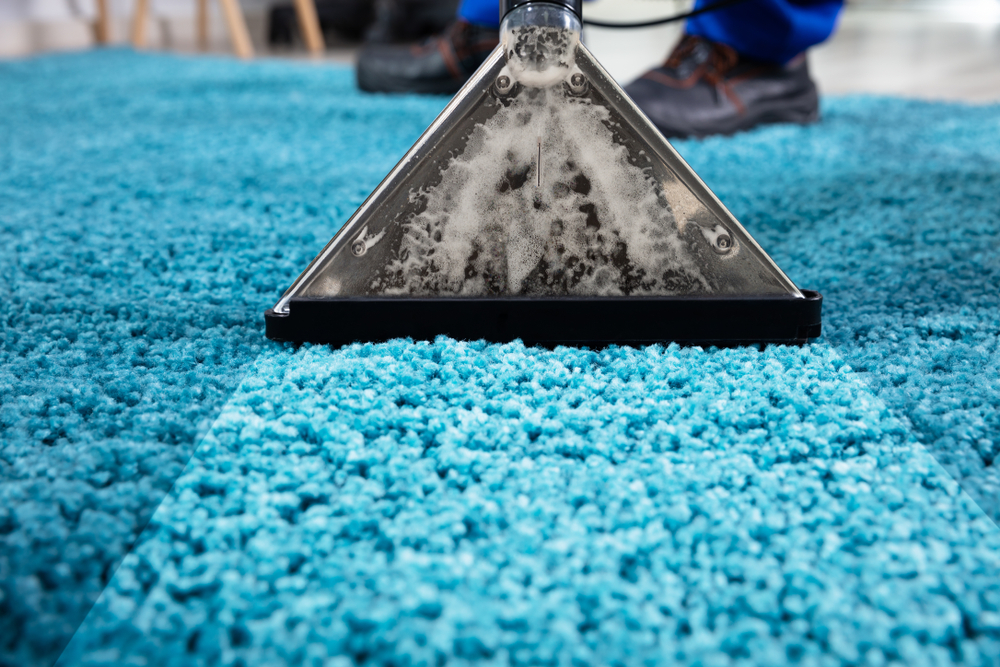
Professional carpet cleaning methods such as steam cleaning or hot water extraction penetrate deep into the carpet pile and backing, delivering a level of cleanliness household equipment cannot achieve.
Clear Signs Your Carpets Need Professional Cleaning
If you’re unsure whether it’s time to book carpet cleaning, look for these warning signs:
- Persistent odours after vacuuming
- Dark traffic lanes or discolouration
- Flattened or rough-feeling fibres
- Stains that return after spot cleaning
- Increased allergy symptoms indoors
These signs indicate that contaminants have reached layers beneath the surface.
Recommended Carpet Cleaning Frequency by Environment
Residential Homes
Most homes benefit from professional carpet cleaning once or twice per year, depending on lifestyle and usage.
Rental Properties
Carpet cleaning is commonly required:
- At the end of a lease
- Before new tenants move in
- After long tenancy periods
Routine cleaning helps maintain property value and meet inspection standards.
Offices and Commercial Spaces
Commercial settings experience higher foot traffic and should schedule professional carpet cleaning every 3 to 6 months to maintain hygiene and professional appearance.
What Happens If You Delay Carpet Cleaning?
Waiting too long between professional carpet cleaning appointments can lead to:
- Permanent staining
- Fibre breakdown
- Embedded odours
- Higher long-term maintenance costs
Dirt particles behave like sandpaper, slowly wearing carpet fibres down from the inside. Regular cleaning significantly extends carpet lifespan.
Why Professional Carpet Cleaning Makes a Difference
Professional carpet cleaning services use specialised equipment designed to:
- Extract deeply embedded dirt and allergens
- Remove bacteria and odour-causing residues
- Restore carpet texture and appearance
- Reduce drying time and moisture retention
Unlike DIY machines, professional systems provide stronger suction and controlled water use, minimising the risk of mould or mildew.
Final Thoughts: Finding the Right Carpet Cleaning Schedule
So, how often should you really clean your carpets?
For most homes, professional carpet cleaning every 6 to 12 months is essential for cleanliness, health, and carpet longevity.
Homes with pets, children, allergies, or heavy foot traffic should consider more frequent cleaning. Clean carpets don’t just look better—they help protect indoor air quality, improve comfort, and preserve your flooring investment.
Find Carpet Cleaning Services Near You
Orderoo makes it easy to discover and compare carpet cleaning professionals across multiple cities, helping you find services that suit your location and needs.
- Carpet cleaning in Adelaide
- Carpet cleaning in Melbourne
- Carpet cleaning in Sydney
- Carpet cleaning in Brisbane
- Carpet cleaning in Perth
Frequently Asked Questions
How often should carpets be professionally cleaned?
Most households should schedule professional carpet cleaning every 6–12 months, while homes with pets or allergies may require cleaning every 3–6 months.
Does professional carpet cleaning improve indoor air quality?
Yes. Removing dust, allergens, and pollutants trapped in carpet fibres helps improve indoor air quality and reduce respiratory irritation.
Can delaying carpet cleaning cause permanent damage?
Yes. Embedded dirt wears down fibres, leading to permanent staining, odours, and reduced carpet lifespan.























You must be logged in to post a comment Login