
Misc
How Often Should You Clean Your Upholstery?

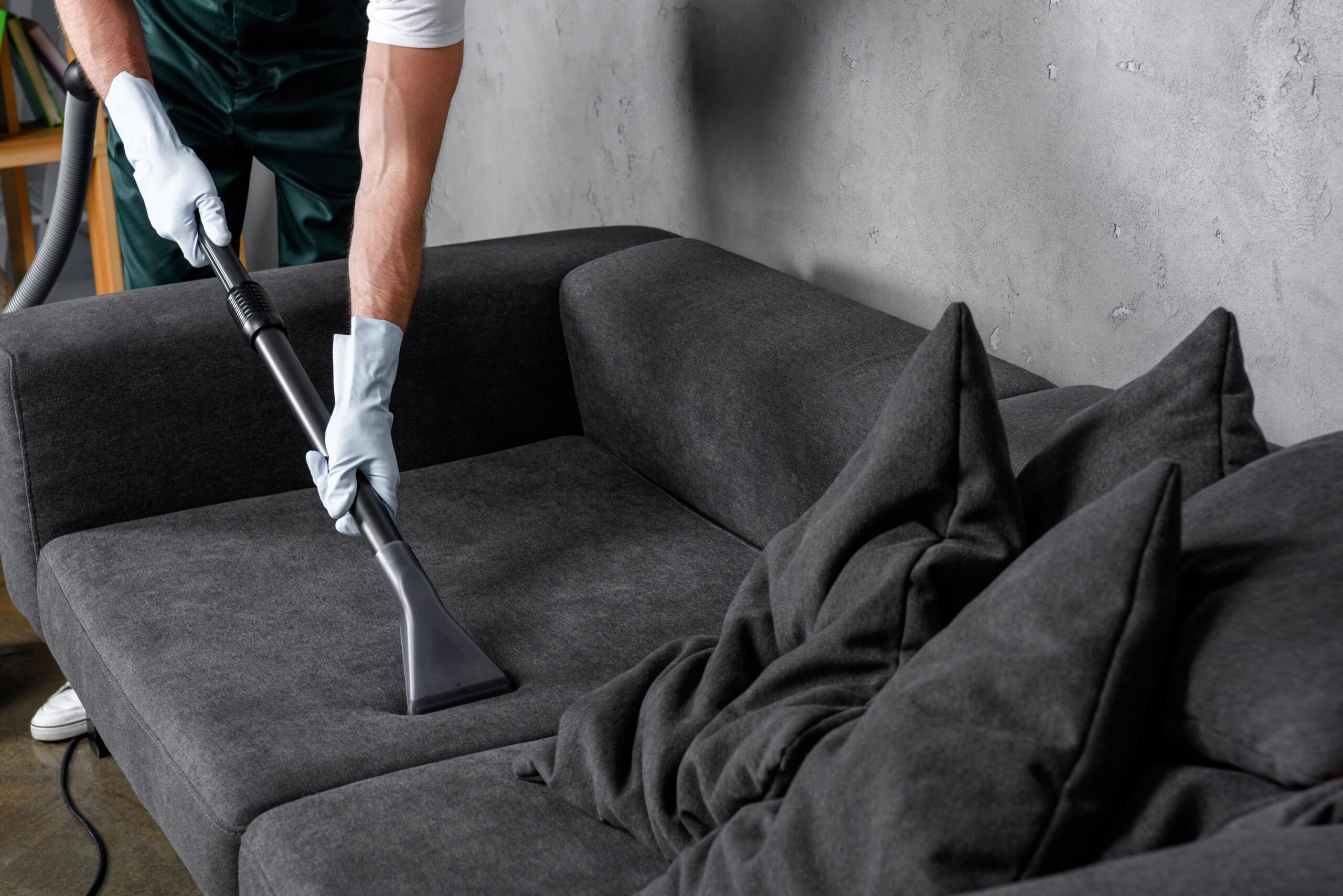
Upholstered furniture plays a major role in everyday comfort. Sofas, armchairs, dining chairs, and office seating are used daily, often without much thought given to how much dirt, dust, and residue they collect over time. Because upholstery doesn’t always show visible dirt straight away, cleaning is frequently delayed longer than it should be.
So, how often should you clean your upholstery?
The answer depends on how the furniture is used, who uses it, and the type of fabric involved. While regular vacuuming helps with surface dust, it doesn’t remove the deeper buildup that affects hygiene, appearance, and longevity.
This guide explains how often upholstery should be cleaned, what factors influence cleaning frequency, and when professional upholstery cleaning becomes the safer and more effective option.
Quick Answer: How Often Should Upholstery Be Cleaned?
For most households, professional upholstery cleaning is recommended every 12 to 18 months. However, this timeframe can change based on lifestyle and usage.
General upholstery cleaning guidelines:
- Light or occasional use: Every 18–24 months
- Average household use: Every 12–18 months
- Homes with pets or children: Every 6–12 months
- Offices and commercial seating: Every 6 months
Between professional cleans, routine vacuuming and prompt attention to spills help maintain furniture, but they don’t replace deep upholstery cleaning.
Why Upholstery Needs Regular Cleaning
Upholstery absorbs far more than most people realise. Over time, fabrics and padding collect:
- Body oils and sweat
- Dust and airborne particles
- Food crumbs and spills
- Pet hair and dander
These contaminants build up gradually and often sit below the visible surface. As a result, upholstery may look clean while still holding particles that affect comfort and indoor hygiene.
According to Raising Children Network’s information on allergies, dust and allergens commonly found inside homes can trigger allergic and respiratory symptoms. Soft furnishings such as upholstered furniture can trap these particles over time, making regular cleaning an important part of maintaining a healthier indoor environment.
This makes upholstery cleaning as much about wellbeing as it is about appearance.
Key Factors That Affect How Often Upholstery Should Be Cleaned
1. Frequency of Use
The more often a piece of furniture is used, the faster it accumulates oils, dust, and debris.
- Daily-use sofas and armchairs require more frequent cleaning
- Guest room furniture can go longer between cleans
- Dining chairs often need attention sooner due to food exposure
High-contact areas such as seat cushions, armrests, and headrests usually show signs of wear first.
2. Pets in the Home
Pets significantly increase upholstery wear. Even well-groomed animals leave behind:
- Fur and dander
- Natural oils
- Odours that settle into fabric
Pet accidents can soak into upholstery padding, where smells become difficult to remove without professional equipment. In pet households, professional upholstery cleaning every 6 to 12 months is often recommended.
3. Children and Everyday Spills
Homes with children experience more frequent:
- Food and drink spills
- Sticky residues
- General wear from constant use
Even when spills are cleaned quickly, residue can remain in the fabric. Regular upholstery cleaning helps prevent stains from setting and reduces odour buildup.
4. Fabric Type and Upholstery Material
Different upholstery materials require different care schedules.
- Synthetic fabrics resist staining but still trap oils and dust
- Natural fibres like cotton and linen absorb moisture more easily
- Delicate fabrics such as velvet require specialised handling
- Leather upholstery needs periodic cleaning and conditioning
Fabric type plays a major role in determining how often professional cleaning is required.
Is Vacuuming Upholstery Enough?
Vacuuming upholstery is essential, but it only addresses surface-level dirt.
Vacuuming helps:
- Remove loose dust and crumbs
- Reduce surface allergens
- Slow visible wear
However, it does not remove:
- Embedded oils and sweat
- Allergens deep within padding
- Odours trapped beneath the surface
Professional upholstery cleaning penetrates deeper layers, removing contaminants that vacuuming alone cannot reach.
Signs Your Upholstery Needs Professional Cleaning
If you’re unsure whether it’s time to book upholstery cleaning, look for these common signs:
- Fabric appears dull or discoloured
- Persistent odours remain after airing out
- Visible stains or dark patches
- Upholstery feels sticky or rough
- Allergy symptoms worsen indoors
These signs often develop gradually, which is why upholstery cleaning is frequently delayed longer than recommended.
Upholstery Cleaning Frequency by Environment
Residential Homes
Most homes benefit from professional upholstery cleaning every 12 to 18 months, depending on usage and household conditions.
Rental Properties
Upholstery cleaning is often recommended:
- At the end of a tenancy
- Before new tenants move in
- After long-term occupancy
This helps maintain furniture condition and meet inspection expectations.
Offices and Commercial Spaces
Office chairs, waiting areas, and shared seating experience heavy use and should be professionally cleaned every 6 months to maintain hygiene and appearance.
What Happens If Upholstery Isn’t Cleaned Regularly?
Delaying upholstery cleaning can result in:
- Permanent staining
- Fabric fibre breakdown
- Lingering odours
- Reduced furniture lifespan
Dirt particles act as abrasives, slowly wearing down fabric fibres from the inside. Regular professional cleaning helps preserve upholstery and delay costly replacement.
DIY Upholstery Cleaning vs Professional Cleaning
DIY upholstery cleaning can be helpful for:
- Small, fresh spills
- Light surface maintenance
However, DIY methods often:
- Over-wet fabrics
- Leave residue behind
- Fail to extract deep contaminants
Professional upholstery cleaning uses controlled moisture, fabric-appropriate techniques, and specialised equipment to deliver safer, longer-lasting results.
How Professional Upholstery Cleaning Helps
Professional upholstery cleaning:
- Removes deeply embedded dirt and allergens
- Reduces odours at the source
- Restores fabric appearance
- Supports better indoor hygiene
It also lowers the risk of damage to delicate or high-value furniture.
Find Upholstery Cleaning Services Near You
Upholstery cleaning services are available across multiple cities on Orderoo, helping you find suitable options based on your location and needs.
- Upholstery cleaning in Sydney
- Upholstery cleaning in Melbourne
- Upholstery cleaning in Brisbane
- Upholstery cleaning in Perth
- Upholstery cleaning in Adelaide
Final Thoughts: How Often Is Often Enough?
So, how often should you clean your upholstery?
For most households, professional upholstery cleaning every 12 to 18 months offers the right balance between cleanliness and fabric care. Homes with pets, children, or allergies may benefit from more frequent cleaning.
Regular upholstery cleaning:
- Improves hygiene
- Extends furniture lifespan
- Enhances comfort and appearance
- Helps maintain healthier indoor environments
If your furniture shows signs of wear, odour, or staining, it may be time to move beyond vacuuming and consider professional upholstery cleaning.
Frequently Asked Questions
How often should sofas be professionally cleaned?
Most sofas should be professionally cleaned every 12–18 months, or every 6–12 months in high-use households.
Does upholstery cleaning help with allergies?
Yes. Removing dust and allergens trapped in upholstery can help reduce allergy triggers inside the home.
Can upholstery be cleaned too often?
Excessive cleaning using incorrect methods can damage fabric, which is why professional, fabric-appropriate cleaning is recommended.




















You must be logged in to post a comment Login