







Food Guides
The History of Pizza: From Ancient Flatbreads to a Global Favourite

Pizza is one of the most widely loved foods in the world. Whether enjoyed at a neighbourhood restaurant, ordered for a casual dinner, or shared among friends and family, pizza has become a global favourite. Its simple combination of dough, sauce, cheese, and toppings allows endless variations, making it one of the most adaptable dishes ever created.
However, the story of pizza goes back much further than modern restaurants and takeaway menus. The pizza we know today evolved over centuries, shaped by ancient cooking traditions, Italian culture, and global migration. Understanding the history of pizza reveals how a humble dish became an international culinary icon.
Early Origins: Ancient Flatbreads
The origins of pizza can be traced back thousands of years to ancient civilisations that prepared flatbreads topped with various ingredients.
Ancient cultures such as the Greeks, Egyptians, and Romans commonly baked flatbreads and often added ingredients like herbs, oils, cheese, and garlic. These early dishes were not exactly the same as modern pizza, but they shared a similar concept of bread served with toppings.
For example, the ancient Greeks prepared flatbreads known as plakous, which were topped with ingredients like herbs, onions, and cheese. The Romans also enjoyed dishes similar to flatbread with toppings. These early meals were practical, affordable, and easy to prepare.
Historical accounts note that early versions of pizza developed from ancient flatbreads eaten in Mediterranean cultures, long before modern pizza appeared in Italy.
The Birthplace of Modern Pizza: Naples
Although flatbreads existed long before pizza, the modern form of pizza originated in Naples, Italy, during the 18th and 19th centuries.
At that time, Naples was one of Europe’s largest and busiest cities. Much of the population consisted of working-class residents who needed inexpensive and quick meals. Street vendors began selling flatbreads topped with ingredients such as tomatoes, garlic, olive oil, and occasionally cheese.
Tomatoes had only recently been introduced to Europe from the Americas in the 16th century. Initially, many Europeans believed tomatoes were unsafe to eat, but over time they became a key ingredient in Italian cooking.
In Naples, tomatoes quickly became a common topping for flatbread, helping to create the early versions of the pizza we know today. These simple pizzas were affordable, filling, and easy to eat on the go, making them especially popular among workers.
The Story of Pizza Margherita
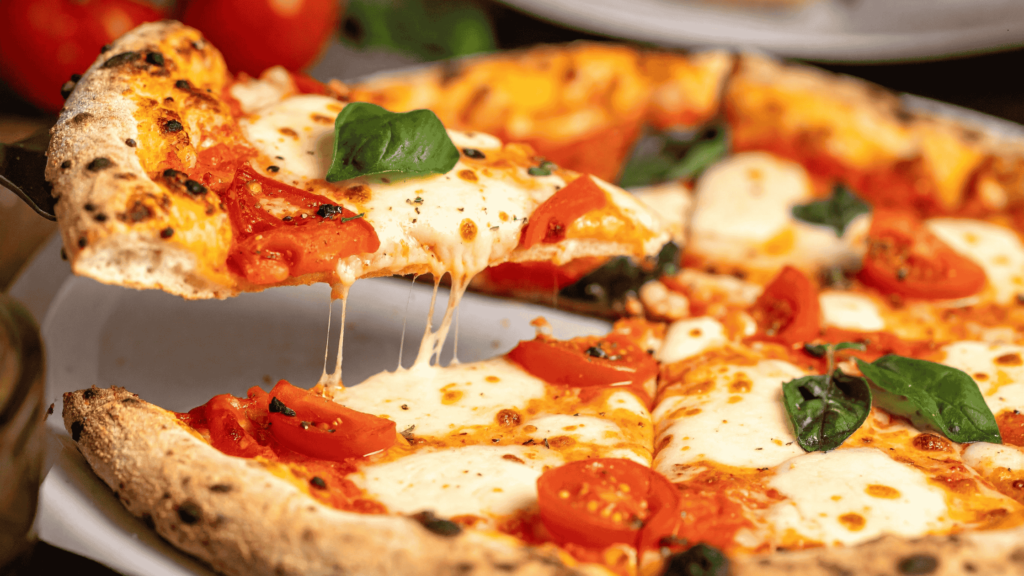
One of the most famous stories in pizza history involves the creation of Pizza Margherita.
According to traditional accounts, in 1889 the Italian royal family visited Naples. A local pizza maker named Raffaele Esposito was asked to prepare pizzas for Queen Margherita of Savoy.
Esposito reportedly created a pizza featuring three simple ingredients:
- Tomatoes
- Mozzarella cheese
- Fresh basil
These ingredients represented the colours of the Italian flag: red, white, and green. The queen was said to have enjoyed the dish, and the pizza became known as Pizza Margherita in her honour.
While historians debate some details of this story, it remains an important part of pizza’s cultural history. The tradition of authentic Neapolitan pizza is preserved today by organisations such as the Associazione Verace Pizza Napoletana.
Pizza Travels Beyond Italy
For many years, pizza remained primarily a regional dish enjoyed in Naples and other parts of Italy. However, in the late 19th and early 20th centuries, millions of Italians emigrated to other countries, bringing their food traditions with them.
Italian immigrants introduced pizza to cities around the world, especially in the United States. One of the earliest and most well-known pizzerias was Lombardi’s in New York City, which opened in 1905 and is widely considered the first licensed pizzeria in the United States.
As pizza spread internationally, different regions began creating their own variations. Some of the most well-known styles include:
- New York–style pizza, known for its thin crust and large slices
- Chicago deep-dish pizza, famous for its thick crust and layered ingredients
- Sicilian pizza, which typically has a thicker, rectangular crust
These regional styles helped expand pizza’s popularity and introduced new ways of preparing and serving the dish.
Pizza Becomes a Global Favourite
As Italian immigrants travelled to different parts of the world in the late 19th and early 20th centuries, they brought their culinary traditions with them. Pizza soon began appearing in restaurants and bakeries across Europe and North America, gradually gaining popularity among local communities.
Over time, pizza evolved into many regional styles, and its popularity continued to grow with the rise of pizzerias, takeaway services, and food delivery. Today, pizza is not only a widely loved dish but also a significant global food industry. According to industry insights from Statista, the global pizza market reached an estimated value of around 150 billion U.S. dollars in 2024, reflecting its widespread appeal around the world.
Running a restaurant has also become more challenging in recent years as costs continue to rise. Factors such as higher ingredient prices, rent, and labour have affected many eateries, which helps explain why Italian restaurant prices keep rising in Australia.
Pizza in Australia
Pizza became popular in Australia largely through Italian migration after the Second World War. Italian communities introduced many traditional dishes to Australian cities, including pizza, which gradually gained popularity beyond immigrant neighbourhoods.
One of the earliest well-known pizza restaurants in Australia was Toto’s Pizza House, opened in 1961 on Lygon Street in Carlton, Melbourne by Italian migrants Salvatore Della Bruna and Franco Fera. The restaurant played an important role in introducing pizza to a wider Australian audience and helped establish Lygon Street as Melbourne’s famous Italian food precinct.
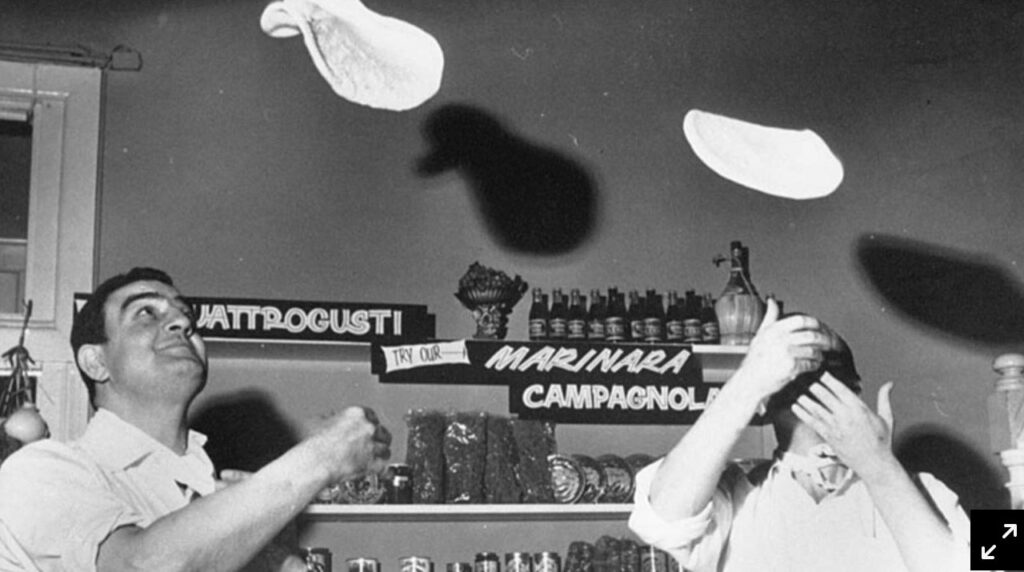
Toto’s Pizza House operated for decades before eventually closing in 2020 after nearly 60 years of business, becoming a memorable part of Melbourne’s culinary history.
Pizza in the Modern Food Culture
Today, pizza is enjoyed in nearly every part of the world. Different countries have developed their own interpretations of the dish, often incorporating local ingredients and culinary traditions.
In addition to traditional pizzerias, pizza is now commonly found in restaurants, cafés, food trucks, and home kitchens. Many people also enjoy making pizza at home, experimenting with different doughs, sauces, and toppings.
Despite all the variations, the essence of pizza remains simple: a delicious combination of bread, sauce, cheese, and toppings that brings people together.
Final Thoughts
From ancient flatbreads to a global culinary phenomenon, pizza has a rich and fascinating history. What began as a simple street food in Naples eventually spread across continents and became one of the world’s most popular meals.
Today, pizza continues to evolve as chefs and food lovers experiment with new ingredients and styles. Yet the traditional roots of the dish remain an important part of its enduring appeal.
Whether enjoyed in its classic Neapolitan form or as a creative modern variation, pizza remains a timeless favourite for food lovers everywhere.












You must be logged in to post a comment Login